• Plants Plants
    Welcome To My Blog ~ Read Plants Article

Showing posts with label Organism. Show all posts

Friday, December 31, 2010

Sexual Reproduction

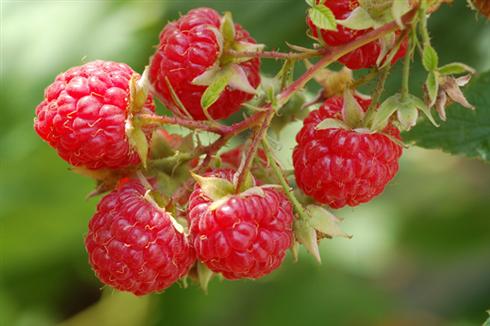
Rubus Berry Plants

Sexual Reproduction

sexual reproduction ~ Rubus Berry Plants
Picture Of

Rubus Berry Plants

Rubus Berry Plants

Sexual Reproduction

Sexual Reproduction is characterized by processes that pass a combination of genetic material to offspring, resulting in increased genetic diversity. The two main processes are: meiosis, involving the halving of the number of chromosomes; and fertilization, involving the fusion of two gametes and the restoration of the original number of chromosomes. During meiosis, the chromosomes of each pair usually cross over to achieve homologous recombination.

The evolution of Sexual Reproduction is a major puzzle. The first fossilized evidence of sexually reproducing Organisms is from eukaryotes of the Stenian period, about 1 to 1.2 billion years ago. Sexual Reproduction is the primary method of reproduction for the vast majority of macroscopic organisms, including almost all animals and Plants. Bacterial conjugation, the transfer of DNA between two bacteria, is often mistakenly confused with Sexual Reproduction, because the mechanics are similar.

A major question is why Sexual Reproduction persists when parthenogenesis appears in some ways to be a superior form of reproduction. Contemporary evolutionary thought proposes some explanations. It may be due to selection pressure on the clade itself—the ability for a population to radiate more rapidly in response to a changing environment through sexual recombination than parthenogenesis allows. Alternatively, Sexual Reproduction may allow for the "ratcheting" of evolutionary speed as one clade competes with another for a limited resource.


Plant Reproduction

Animals typically produce male gametes called sperm, and female gametes called eggs and ova, following immediately after meiosis. With the gametes produced directly by meiosis. Plants on the other hand have mitosis occurring in spores, which are produced by meiosis. The spores germinate into the gametophyte phase. The gametophytes of different groups of Plantsvary in size; angiosperms have as few as three cells in pollen, and mosses and other so called primitive Plants may have several million cells. Plants have an alternation of generations where the sporophyte phase is succeeded by the gametophyte phase. The sporophyte phase produces spores within the sporangium by meiosis.


Related : Rubus
Related : Raspberry

Related : Sexual Reproduction From Wikipedia, the free encyclopedia, Rubus Berry Plants
Read more »

Thursday, December 30, 2010

Plant Reproduction

Rubus Berry Plants

Plant Reproduction


Plant Reproduction ~ Rubus Berry Plants
Picture Of

Rubus Berry Plants

Rubus Berry Plants

Plant Reproduction

Plant Reproduction is the production of new individuals or offspring in Plants, which can be accomplished by sexual or asexual means. Sexual Reproduction produces offspring by the fusion of gametes, resulting in offspring genetically different from the parent or parents. Asexual Reproduction produces new individuals without the fusion of gametes, genetically identical to the parent plants and each other, except when mutations occur. In seed plants, the offspring can be packaged in a protective seed, which is used as an agent of dispersal.


Asexual Reproduction

Plants have two main types of asexual reproduction in which new plants are produced that are genetically identical clones of the parent individual. "Vegetative" reproduction involves a vegetative piece of the original plant (budding, tillering, etc.) and is distinguished from "apomixis", which is a "replacement" for sexual reproduction, and in some cases involves seeds. Apomixis occurs in many plant Species and also in some non-plant Organisms. For apomixis and similar processes in non-plant organisms, see parthenogenesis.

Natural vegetative reproduction is mostly a process found in herbaceous and woody perennial plants, and typically involves structural modifications of the stem or roots and in a few species leaves. Most plant species that employ vegetative reproduction, do so as a means to perennialize the plants, allowing them to survive from one season to the next and often facilitating their expansion in size. A plant that persists in a location through vegetative reproduction of individuals constitutes a clonal colony, a single ramet, or apparent individual, of a clonal colony is genetically identical to all others in the same colony. The distance that a plant can move during vegetative reproduction is limited, though some plants can produce ramets from branching rhizomes or stolons that cover a wide area, often in only a few growing seasons. In a sense, this process is not one of "reproduction" but one of survival and expansion of biomass of the individual. When an individual Organism increases in size via cell multiplication and remains intact, the process is called "vegetative growth". However, in vegetative reproduction, the new plants that result are new individuals in almost every respect except genetic. A major disadvantage to vegetative reproduction, is the transmission of pathogens from parent to daughter plants; it is uncommon for pathogens to be transmitted from the plant to its seeds, though there are occasions when it occurs.

Seeds generated by apomixis are a means of asexual reproduction, involving the formation and dispersal of seeds that do not originate from the fertilization of the embryos. Hawkweed (Hieracium), dandelion (Taraxacum), some Citrus (Citrus) and Kentucky blue grass (Poa pratensis) all use this form of asexual reproduction. Pseudogamy occurs in some plants that have apomictic seeds, where pollination is often needed to initiate embryo growth, though the pollen contributes no genetic material to the developing offspring. Other forms of apomixis occur in plants also, including the generation of a plantlet in replacement of a seed or the generation of bulbils instead of flowers, where new cloned individuals are produced.


Human uses of asexual reproduction

The most common form of plant reproduction utilized by people is seeds, but a number of asexual methods are utilized which are usually enhancements of natural processes, including: cutting, grafting, budding, layering, division, sectioning of rhizomes or roots, stolons, tillers (suckers) and artificial propagation by laboratory tissue cloning. Asexual methods are most often used to propagate cultivars with individual desirable characteristics that do not come true from seed. Fruit tree propagation is frequently performed by budding or grafting desirable cultivars (clones), onto rootstocks that are also clones, propagated by layering.

In horticulture, a "cutting" is a branch that has been cut off from a mother plant below an internode and then rooted, often with the help of a rooting liquid or powder containing hormones. When a full root has formed and leaves begin to sprout anew, the clone is a self-sufficient plant, genetically identical to the mother plant. Examples include cuttings from the stems of blackberries (Rubus occidentalis), African violets (Saintpaulia), verbenas (Verbena) to produce new plants. A related use of cuttings is grafting, where a stem or bud is joined onto a different stem. Nurseries offer for sale trees with grafted stems that can produce four or more varieties of related Fruits, including apples. The most common usage of grafting is the propagation of cultivars onto already rooted plants, sometimes the rootstock is used to dwarf the plants or protect them from root damaging pathogens.

Since vegetatively propagated plants are clones, they are important tools in plant research. When a clone is grown in various conditions, differences in growth can be ascribes to environmental effects instead of genetic differences.


Sexual Reproduction

Sexual reproduction involves two fundamental processes, meiosis which rearranges the genes and reduces the number of chromosomes, and fusion of gametes which restores the chromosome to a complete diploid number. In between these two processes, different types of plants vary. In plants and algae that undergo alternation of generations, a gametophyte is the multicellular structure, or phase, that is haploid, containing a single set of chromosomes:

The gametophyte produces male or female gametes (or both), by a process of cell division called mitosis. The fusion of male and female gametes produces a diploid zygote, which develops by repeated mitotic cell divisions into a multicellular sporophyte. Because the sporophyte is the product of the fusion of two haploid gametes, its cells are diploid, containing two sets of chromosomes. The mature sporophyte produces spores by a process called meiosis, sometimes referred to as "reduction division" because the chromosome pairs are separated once again to form single sets. The spores are therefore once again haploid and develop into a haploid gametophyte. In land plants such as ferns, mosses and liverworts the gametophyte is very small, as in ferns and their relatives. In Flowering plants (angiosperms) It is reduced to only a few cells, where the female gametophyte (embryo sac) is known as a megagametophyte and the male gametophyte (pollen) is called a microgametophyte.


History of sexual reproduction

Unlike animals, plants are immobile, and cannot seek out sexual partners for reproduction. In the evolution of early plants, abiotic means, including water and wind, transported sperm for reproduction. The first plants were aquatic and released sperm freely into the water to be carried with the currents. Primitive land plants like liverworts and mosses had motile sperm that swam in a thin film of water or were splashed in water droplets from the male reproduction organs onto the female organs. As taller and more complex plants evolved, modifications in the alternation of generations evolved; in the Paleozoic era progymnosperms reproduced by using spores dispersed on the wind. The seed plants including seed ferns, conifers and cordaites, which were all gymnosperms, evolved 350 million years ago; they had pollen grains that contained the male gametes for protection of the sperm during the process of transfer from the male to female parts. It is believed that insects fed on the pollen, and plants thus evolved to use insects to actively carry pollen from one plant to the next. Seed producing plants, which include the angiosperms and the gymnosperms, have heteromorphic alternation of generations with large sporophytes containing much reduced gametophytes. Angiosperms have distinctive reproductive organs called flowers, with carpels, and the female gametophyte is greatly reduced to a female embryo sac, with as few as eight cells. The male gametophyte consists of the pollen grains. The sperm of seed plants are non-motile, except for two older groups of plants, the Cycadophyta and the Ginkgophyta, which have flagellated sperm.


Flowering plants

Flowering plants are the dominant plant form on land and they reproduce by sexual and asexual means. Often their most distinguishing feature is their reproductive organs, commonly called flowers. Sexual reproduction in flowering plants involves the production of male and female gametes, the transfer of the male gametes to the female ovules in a process called pollination. After pollination occurs, fertilization happens and the ovules grow into seeds with in a fruit. After the seeds are ready for dispersal, the fruit ripens and by various means the seeds are freed from the fruit and after varying amounts of time and under specific conditions the seeds germinate and grow into the next generation.

The anther produces male gametophytes, the sperm is produced in pollen grains, which attach to the stigma on top of a carpel, in which the female gametophytes (inside ovules) are located. After the pollen tube grows through the carpel's style, the sex cell nuclei from the pollen grain migrate into the ovule to fertilize the egg cell and endosperm nuclei within the female gametophyte in a process termed double fertilization. The resulting zygote develops into an embryo, while the triploid endosperm (one sperm cell plus two female cells) and female tissues of the ovule give rise to the surrounding tissues in the developing seed. The ovary, which produced the female gametophyte(s), then grows into a fruit, which surrounds the seed(s). Plants may either self-pollinate or cross-pollinate. Nonflowering plants like ferns, moss and liverworts use other means of sexual reproduction.


Sexual expression

Many plants have evolved a complex sexuality, which is expressed in different combinations of their reproductive organs. Some species have separate male and female individuals, some have separate male and female flowers on the same plant, abut the majority of plants have both male and female parts in the same flower. Some plants change their gender expression depending on a number of factors like age, time of day, or because of environmental conditions. Plant sexuality also varies within different populations of some species.


Related : Rubus
Related : Raspberry

Related : Plant Reproduction From Wikipedia, the free encyclopedia, Rubus Berry Plants
Read more »

Plant

Rubus Berry Plants

Plant


Plant ~ Rubus Berry Plants
Picture Of

Rubus Berry Plants

Rubus Berry Plants

Plant

Plant are Living Organisms belonging to the Kingdom Plantae. They include familiar organisms such as trees, herbs, bushes, grasses, vines, ferns, mosses, and green algae. The scientific study of plants, known as botany, has identified about 350,000 extant species of Plants, defined as seed Plants, bryophytes, ferns and fern allies. As of 2004, some 287,655 species had been identified, of which 258,650 are flowering and 18,000 bryophytes (see table below). Green plants, sometimes called Viridiplantae, obtain most of their energy from sunlight via a process called photosynthesis.


Definition

Aristotle divided all living things between Plants (which generally do not move), and animals (which often are mobile to catch their food). In Linnaeus' system, these became the Kingdoms Vegetabilia (later Metaphyta or Plantae) and Animalia (also called Metazoa). Since then, it has become clear that the Plantae as originally defined included several unrelated groups, and the fungi and several groups of algae were removed to new Kingdoms. However, these are still often considered Plants in many contexts, both technical and popular.


Diversity

About 350,000 species of Plants, defined as seed Plants, bryophytes, ferns and fern allies, are estimated to exist currently. As of 2004, some 287,655 species had been identified, of which 258,650 are Flowering plant, 16,000 bryophytes, 11,000 ferns and 8,000 green algae.


Phylogeny

A proposed phylogenetic tree of Plantae, after Kenrick and Crane, is as follows, with modification to the Pteridophyta from Smith et al. The Prasinophyceae may be a paraphyletic basal group to all Green plants.


Structure, growth, and development

Most of the solid material in a plant is taken from the atmosphere. Through a process known as photosynthesis, most Plants use the energy in sunlight to convert carbon dioxide from the atmosphere, plus water, into simple sugars. Parasitic Plants, on the other hand, use the resources of its host to grow. These sugars are then used as building blocks and form the main structural component of the plant. Chlorophyll, a green-colored, magnesium-containing pigment is essential to this process; it is generally present in plant leaves, and often in other plant parts as well.

Plants usually rely on soil primarily for support and water (in quantitative terms), but also obtain compounds of nitrogen, phosphorus, and other crucial elemental nutrients. Epiphytic and lithophytic Plants often depend on rainwater or other sources for nutrients and carnivorous Plants supplement their nutrient requirements with insect prey that they capture. For the majority of Plants to grow successfully they also require oxygen in the atmosphere and around their roots for respiration. However, some Plants grow as submerged aquatics, using oxygen dissolved in the surrounding water, and a few specialized vascular Plants, such as mangroves, can grow with their roots in anoxic conditions.


Factors affecting growth

The genotype of a plant affects its growth. For example, selected varieties of wheat grow rapidly, maturing within 110 days, whereas others, in the same environmental conditions, grow more slowly and mature within 155 days.

Growth is also determined by environmental factors, such as temperature, available water, available light, and available nutrients in the soil. Any change in the availability of these external conditions will be reflected in the Plants growth.

Biotic factors are also capable of affecting plant growth. Plants compete with other Plants for space, water, light and nutrients. Plants can be so crowded that no single individual produces normal growth, causing etiolation and chlorosis. Optimal plant growth can be hampered by grazing animals, suboptimal soil composition, lack of mycorrhizal fungi, and attacks by insects or plant diseases, including those caused by bacteria, fungi, viruses, and nematodes.

Simple Plants like algae may have short life spans as individuals, but their populations are commonly seasonal. Other Plants may be organized according to their seasonal growth pattern: annual Plants live and reproduce within one growing season, biennial Plants live for two growing seasons and usually reproduce in second year, and perennial Plants live for many growing seasons and continue to reproduce once they are mature. These designations often depend on climate and other environmental factors; Plants that are annual in alpine or temperate regions can be biennial or perennial in warmer climates. Among the vascular Plants, perennials include both evergreens that keep their leaves the entire year, and deciduous Plants which lose their leaves for some part of it. In temperate and boreal climates, they generally lose their leaves during the winter; many tropical Plants lose their leaves during the dry season.

The growth rate of Plants is extremely variable. Some mosses grow less than 0.001 millimeters per hour (mm/h), while most trees grow 0.025-0.250 mm/h. Some climbing species, such as kudzu, which do not need to produce thick supportive tissue, may grow up to 12.5 mm/h.

Immune system

By means of cells that behave like nerves, Plants receive and distribute within their systems information about incident light intensity and quality. Incident light which stimulates a chemical reaction in one leaf, will cause a chain reaction of signals to the entire plant via a type of cell termed a "bundle sheath cell". Researchers from the Warsaw University of Life Sciences in Poland, found that Plants have a specific memory for varying light conditions which prepares their immune systems against seasonal pathogens.


Internal distribution

Vascular Plants differ from other Plants in that they transport nutrients between different parts through specialized structures, called xylem and phloem. They also have roots for taking up water and minerals. The xylem moves water and minerals from the root to the rest of the plant, and the phloem provides the roots with sugars and other nutrient produced by the leaves.


Related : Rubus
Related : Raspberry

Related : Plant From Wikipedia, the free encyclopedia, Rubus Berry Plants
Read more »

Wednesday, December 29, 2010

Organism

Rubus Berry Plants

Organism


Organism ~ Rubus Berry Plants
Picture Of

Rubus Berry Plants

Rubus Berry Plants

Organism

Organizational terminology


All Organism are classified by the science of alpha taxonomy into either taxa or clades.

Taxa are ranked groups of organisms, which run from the general (Domain) to the specific (Species). A broad scheme of ranks in hierarchical order is:

1. Life

2. Domain

3. Kingdom

4. Phylum

5. Class

6. Order

7. Family

8. Genus

9. Species

To give an example, Homo sapiens is the Latin binomial equating to modern humans. All members of the species sapiens are, at least in theory, genetically able to interbreed. Several species may belong to a genus, but the members of different species within a genus are unable to interbreed to produce fertile offspring. Homo, however, only has one surviving species (sapiens), Homo erectus, Homo neanderthalensis, etc. having become extinct thousands of years ago. Several genera belong to the same family and so on up the hierarchy. Eventually, the relevant kingdom (Animalia, in the case of humans) is placed into one of the three domains depending upon certain genetic and structural characteristics.

All living organisms known to science are given classification by this system such that the species within a particular Family are more closely related and genetically similar than the species within a particular Phylum.


Related : Rubus
Related : Raspberry

Related : Organism From Wikipedia, the free encyclopedia, Rubus Berry Plants
Read more »

 
powered by Rubus Berry Plants